How clinicians describe and classify dry eye disease — the DEWS III framework, the subtypes you’ll see on your record, and the systemic conditions and medications that drive it.
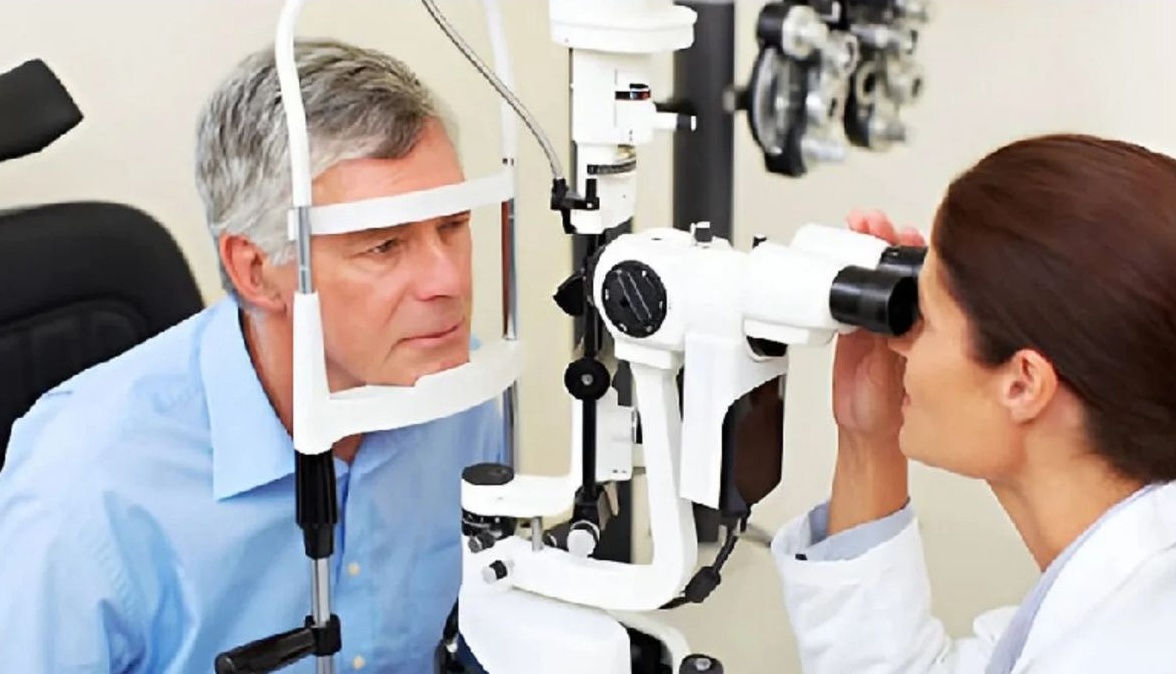
DEWS III is the global expert consensus on how to define, diagnose, and treat dry eye disease, published by the Tear Film & Ocular Surface Society (TFOS). It updates DEWS II (2017) with a decade of new evidence on tear film biology, ocular surface inflammation, and patient-reported outcomes.
DEWS III defines dry eye as a multifactorial disease of the ocular surface characterized by a loss of tear film homeostasis, accompanied by ocular symptoms, in which tear film instability, hyperosmolarity, surface inflammation, damage, and neurosensory abnormalities play etiological roles.
DryEyeMonitor uses the DEWS III classification end-to-end — from the way we describe your subtype, to how we group treatments, to what we look for when interpreting your trends.
Dry eye is not one condition. The same symptom — gritty, burning eyes — can come from very different root causes, and each responds to a different treatment.
Driven by reduced tear production. Responds best to immunomodulators, secretagogues, and tear conservation.
Driven by an unstable lipid layer. Responds best to lid-warming, IPL, anti-evaporative drops.
Driven by abnormal corneal nerve signaling. Often needs neuromodulatory approaches, not lubrication alone.
The four labels you’re most likely to see on your chart.
Not enough tears. The lacrimal glands produce less aqueous fluid than the eye needs — classic Sjögren’s presentation.
Tears are produced, but they evaporate too quickly. Usually driven by a deficient lipid (oil) layer from blocked meibomian glands.
Both aqueous deficiency and evaporative dysfunction at the same time. The most common pattern in long-standing dry eye disease.
The oil-producing glands inside your eyelids are blocked or atrophic. The leading cause of evaporative dry eye worldwide.
Three structural domains used to localize the problem.
Beyond the broad subtype, DEWS III splits the mechanics of dry eye into three structural domains. Most patients have findings in more than one.
Lipid deficiency (MGD), aqueous deficiency, mucin / glycocalyx deficiency.
Blink / lid closure abnormalities, lid margin abnormalities (blepharitis, telangiectasia).
Anatomical misalignment, neural dysfunction, surface cell damage / disruption, primary inflammation / oxidative stress.
Systemic diseases and medications that drive or worsen dry eye — autoimmune, endocrine, dermatological, neurological, and drug-induced — live on their own page now.
Read about associated conditions → DryEyeMonitor®